

A car can be disliked for being bad. The Luce is disliked for something harder to fix: it broke the promise people thought the badge made.
When Ferrari pulled the cover off the Luce in Rome, the reaction arrived faster than the car's claimed 2.5-second sprint to 100 km/h. Within a day, the company's shares had fallen more than 8% in Milan, its steepest single-session drop since the previous autumn, and the internet had reached a rare consensus. The telling thing was not that people disliked the car. It was what they compared it to. Almost nobody reached for another supercar. They reached for household objects: a soap dish, a luxury toaster, a Wi-Fi router, an Apple Store minivan, and a Nissan Leaf. Ferrari's former chairman, Luca di Montezemolo, said he would spare everyone his real opinion, then suggested the company at least take the prancing horse off the bodywork. Italy's transport minister said Enzo Ferrari would be turning in his grave.
That intensity is the part worth understanding. Cars get panned constantly, and nobody erases 3 billion euros of market value over a set of headlights. The Luce touched something deeper than taste, and "it's ugly," the explanation everyone reached for first, is both the shallowest and the least accurate account of what actually happened.
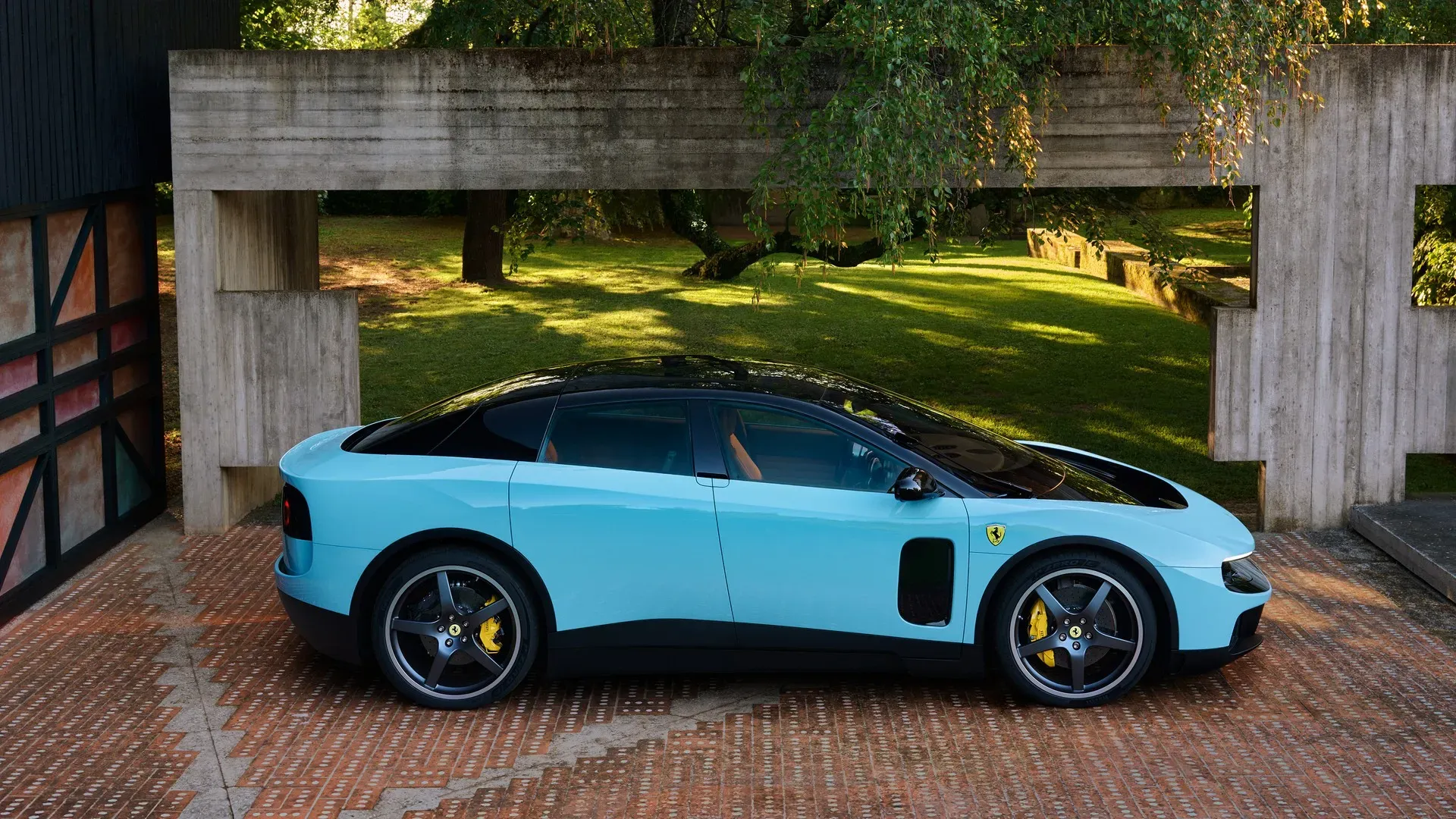
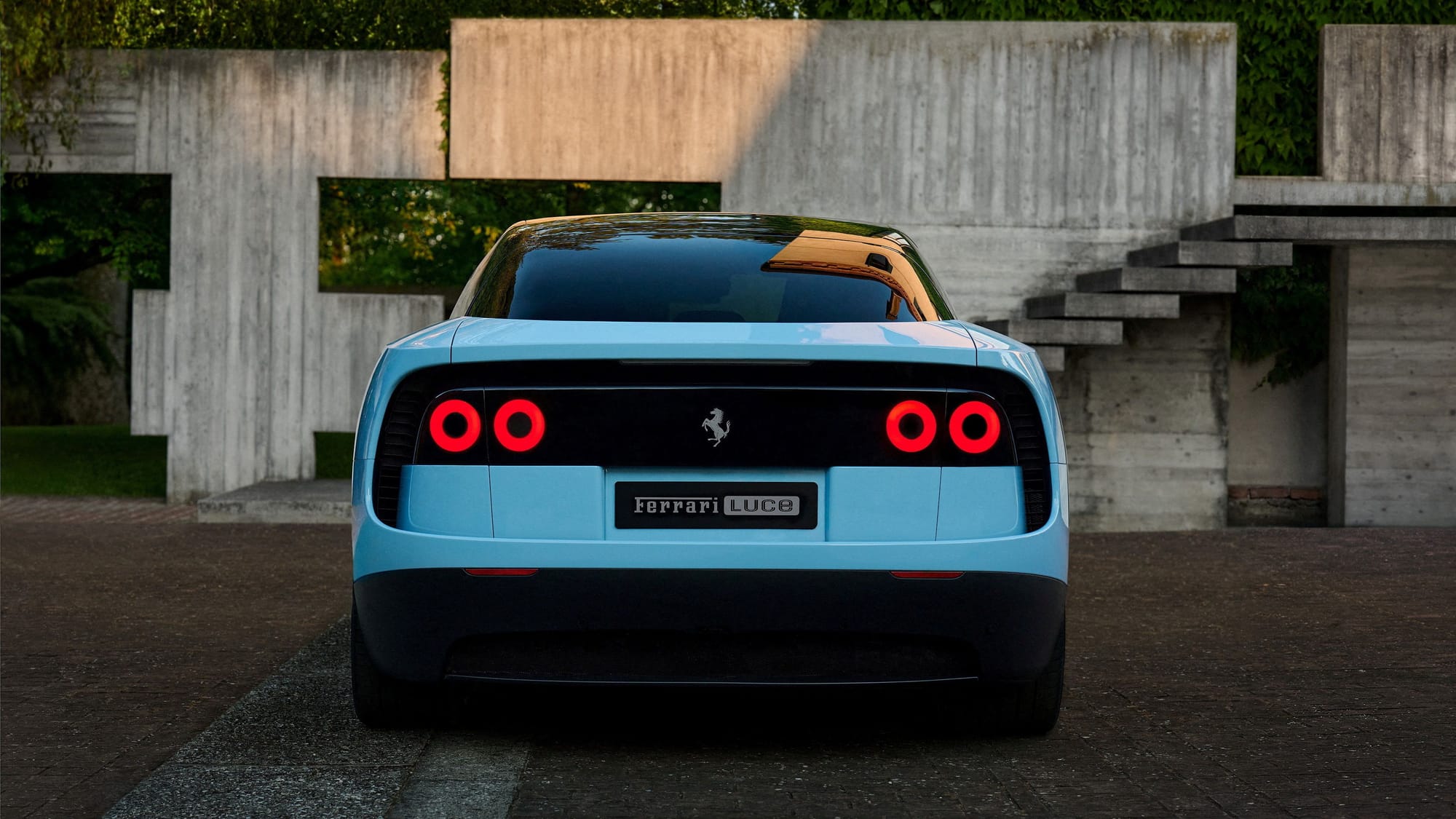
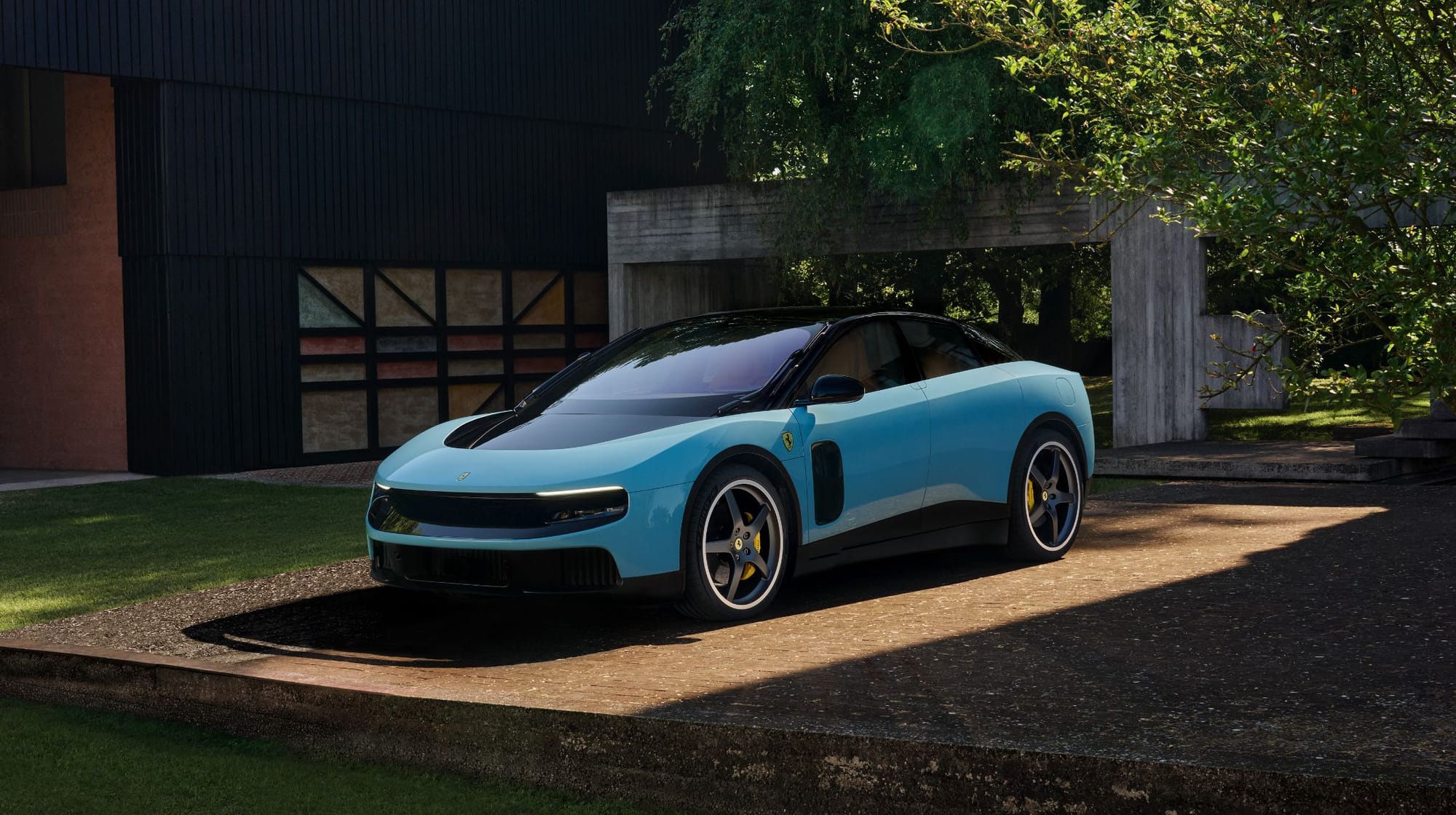
It doesn't look bad. It looks ordinary.
Start with the comparisons, because they are more diagnostic than they seem. A toaster, a router, a Leaf, an appliance: every one is a synonym for ordinary. None is an insult about proportion or surfacing. They are insults about the category. People are not saying the Luce is poorly made; they are saying it reads like a well-made appliance, an object you would not look at twice in a car park.
For almost any manufacturer, blends in is faint criticism. For Ferrari, it is nearly fatal because the brand's entire economic logic is conspicuousness. Ferrari builds fewer than 14,000 cars a year and runs a deliberate scarcity model to keep the object rare, visible, and emotionally charged. You are not buying transport. You are buying the near-certainty that a stranger's head will turn. A Ferrari that dissolves into traffic has failed at the one job the price is paying for, and the Luce's record-low drag coefficient, the lowest of any road-going Ferrari, is the problem in miniature: the slipperiness that makes it efficient is the same slipperiness that makes it quiet, smooth, and visually uneventful.
The badge is a promise
A Ferrari is not really a shape. It is a grammar, a set of signs that have meant roughly the same thing for 70 years. Low and wide. Aggressive intakes. A long nose with the engine as the hero. Most of all, sound: the rising, theatrical shriek of a high-revving engine that announces the car before you see it. Red is the default. The whole language says, "Here I am, and you are not me.”
The Luce deletes most of that vocabulary. It is tall and upright, a five-door, five-seat shape closer to a high-riding sedan than a wedge. It is shown in pale blue. It has rear-hinged doors and a cabin built around a glass cocoon rather than a cockpit. There is no engine to be the hero, so there is no long nose to house it, so the proportions that say Ferrari at a glance are simply gone. When di Montezemolo said to take the horse off the car, he was making the sharpest possible version of the critique: this object does not speak the language the badge guarantees, so stop using the badge. That is not a style disagreement. It is a charge that Ferrari has broken its own contract, and it lands because, for once, it is half true.
Promises, though, get renegotiated more often than the people making them like to admit. Hold that thought; it decides everything later.
Efficiency is the enemy of theatre, but not of everything
Here is the deeper reason the Luce unsettles people, and it has little to do with how it looks. A combustion supercar is a machine that converts waste into emotion. It is loud because it is inefficient. It is hot, it smells, it shudders, it demands a downshift, and rewards it with noise. The drama is the inefficiency, the part of the experience that does no useful work except to thrill you. An electric powertrain is built to do the opposite: silent, instant, frictionless, relentlessly optimized. That is its engineering virtue and its cultural liability. Ferrari spent a century charging a premium for the things engineers everywhere else were paid to remove, and electrification removes them by default.
But it is worth being precise about what is actually lost, because the loudest version of this argument overstates it, and Ferrari's defenders have a real rebuttal hidden within the overstatement. A Ferrari was never only an engine bolted to wheels. Its appeal also came from steering feel, chassis balance, the way weight transfers through a corner, racing pedigree, and the obsessive engineering beneath it all. None of that depends on combustion. Some of it gets better with electric power. The Luce uses four motors, one per wheel, with a torque-vectoring system that meters power to each tire independently, a degree of control no mechanical driveline can match, and the reason the car is claimed to corner with a delicacy a combustion Ferrari physically can't. If there is a genuinely thrilling Ferrari hiding inside the Luce, this is where it lives, and it is the strongest card the company holds.
Which makes one decision at the launch look worse the longer you sit with it. Ferrari built the entire event around the word emotions, insisted that a Ferrari is defined by how it makes the driver feel rather than by its powertrain, and then let no journalist drive the car. The one claim that could have answered the critique, trust us, it feels alive, was the one claim nobody outside the company was allowed to test. The dynamic case is real on paper. Ferrari chose not to let anyone confirm it on a road.
So the honest loss column is narrower than the backlash suggests, but it is not empty. What electrification removes is the multisensory layer: the sound, the vibration, the heat, and the involuntary feedback an engine constantly gives you about its own state. That channel carries real information, not just nostalgia, which is exactly why the Luce's synthetic motor-and-component sound exists at all: it is an attempt to re-add a feedback stream the technology deleted. And a simulated version of the missing emotion is treacherous, because the better you fake it, the louder it announces that the real thing is gone. A fake engine note is to a real one what a laugh track is to a joke.
Jony Ive and the war of two minimalisms
Ferrari did not hand the Luce to its own studio. It gave the look and the interface to LoveFrom, the collective founded by Jony Ive and Marc Newson, and that choice is the second engine of the backlash. Ive's design language, built across two decades at Apple, is about reduction and calm; his best work makes the object recede so the experience can come forward. Ferrari's language is the inverse: presence, excess, the object refusing to be ignored. Putting the most famous practitioner of quiet design in charge of the loudest brand in the world was always going to produce a collision, and the Luce is what the collision looks like.
To be fair to Ive, the single most defensible decision in the car is his. He refused to turn the dashboard into a tablet, arguing that multi-touch belongs on phones, not in a car where it pulls your eyes off the road. On that, he is plainly right; the industry's drift toward vast glass screens has been a usability regression dressed up as progress, and the Luce's physical dials and switches are the part even critics tend to praise. But Ive now carries a second association that hurts the car by proximity. He has become a face of a broader fatigue, the feeling that minimalist, frictionless tech design has flattened everything into the same calm, characterless surface, and that the sameness is part of what makes modern life feel sterile. The Luce arrived as that mood was peaking and became a lightning rod for it. Newson all but confirmed the philosophy when he argued, in a wider debate, that you have to educate people, because asking customers what they want only surfaces their existing frame of reference. That is a coherent design position. It is also a way of telling your most loyal buyers that their taste is a defect to be corrected.
The hate is the strategy, and the real contest is elsewhere
Here is the twist the angriest commentary keeps missing: Ferrari built the Luce for the people now mocking it to leave it alone. Executives told their petrolhead base, in plain words, not to buy it. The company set a target, disclosed at its capital markets day, of roughly 80% new customers to 20% existing ones, inverting the way every prior model was sold. The Luce is a bid for tech founders, for people who already own an EV, for buyers who carry no memory of a screaming V12 and therefore feel no loss when it is gone.
Read that way, everyone hates it is partly a sampling error. The internet skews heavily toward the exact constituency Ferrari chose to exclude; the constituency it is courting may be elsewhere, quiet, and writing cheques instead of posts. That is the optimistic case, and it is not unreasonable.
But it relocates the hard question rather than answering it, and the real question is more demanding than whether new buyers will show up. Those buyers are not choosing between the Luce and a memory of combustion. They are choosing between the Luce and the cars already in their garages: a Tesla Model S Plaid, a Lucid that out-ranges and undercuts it, a Porsche Taycan, whatever Mercedes and the Chinese brands ship next. Every one of them is silent, brutally fast, screen-forward, and a fraction of the Luce's roughly $640,000 price. Against that field, the Luce's pitch cannot be that we have a soul, and they don't; all of those cars carry the identical emotional deficit. The pitch is that the badge, the Ive-shaped object, and Maranello's in-house engineering are worth a two- to five-times premium over machines with comparable numbers. That is a brand-equity bet, not a styling bet, and early dealer checks reported by Evercore analysts suggested even Ferrari's existing clients were lukewarm, while the new audience the plan depends on remains unproven. The order book, not the comment section, is the only verdict that counts, and it is not in yet.
We have seen this movie before
The reassuring thing for Ferrari, and the cautionary thing, is that violent launch backlash to a brand breaking its own rules is the historical norm, not the exception. The pattern repeats so reliably that the only real question is which version of it the Luce becomes.
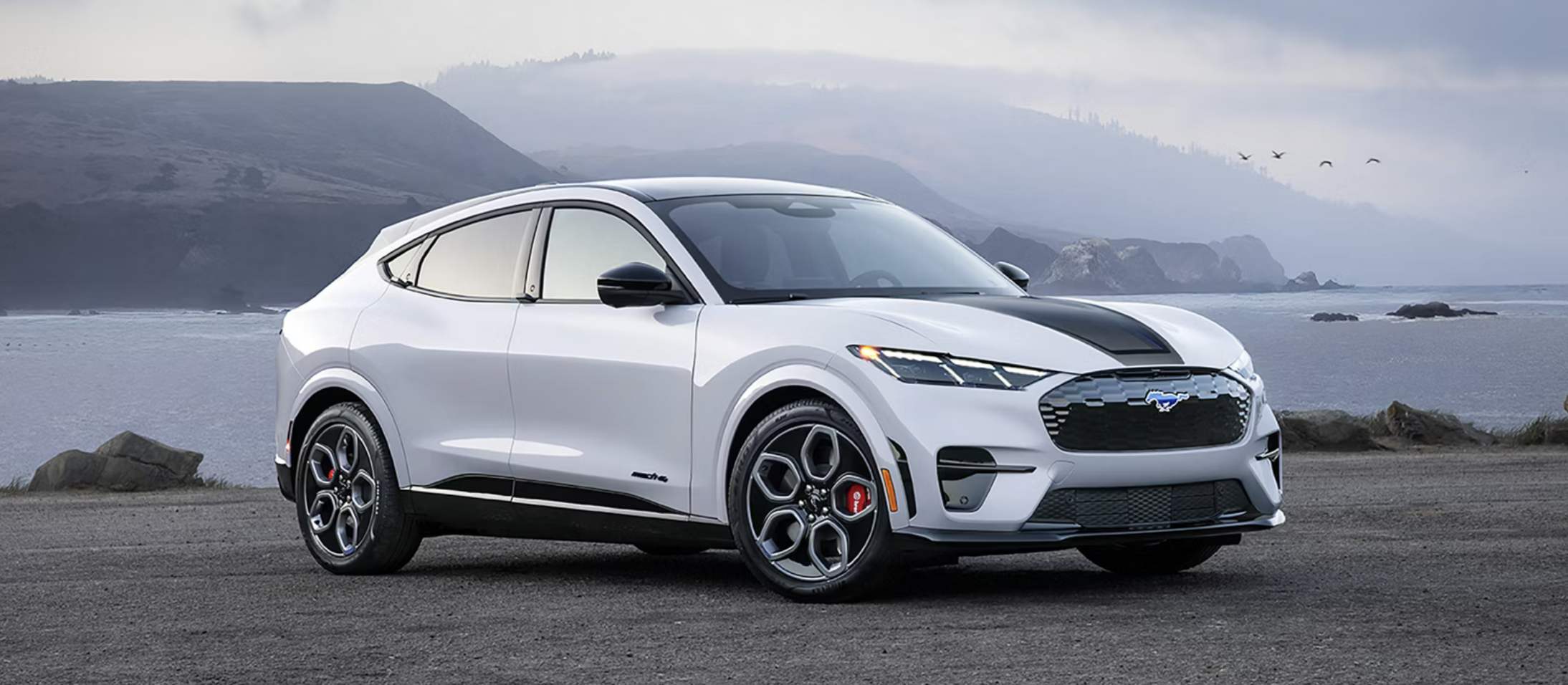
When Porsche switched the 911 to water-cooling in the late 1990s and gave it fried-egg headlights, purists were apoplectic; that car is now a cherished, increasingly collectible entry point into the lineage. When Porsche then built an SUV, the Cayenne, the same crowd pronounced the brand dead, and the Cayenne made so much money it helped bankroll the sports cars the purists actually wanted. BMW spent the early 2000s being savaged for Chris Bangle's flame surfacing and the rump the press mocked as the Bangle butt; within a decade, that language had been copied across the industry. Ford put the Mustang name on an electric crossover in 2019 and weathered a near-identical storm. Bill Ford reportedly resisted the badge himself before the Mach-E became one of its better sellers. Even Ive's own hits followed the curve: the translucent iMac was mocked before it was iconic, and AirPods were a punchline about ear-cleaning sticks before they became a status symbol.
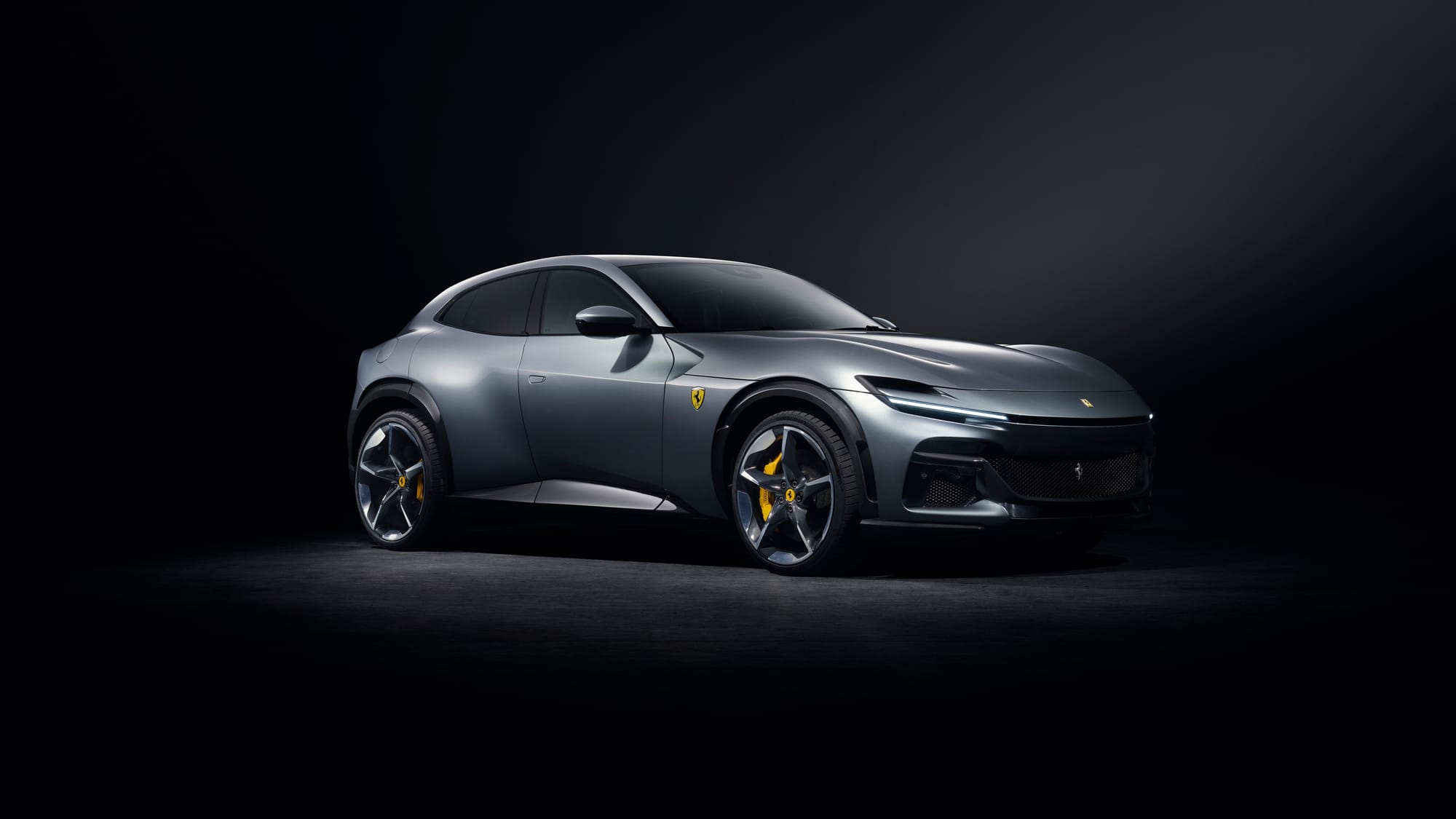
Ferrari has its own freshest precedent, and it is the best argument in Luce's favor. The Purosangue, the company's first SUV…sorry, FUV…was attacked at its 2022 launch as a betrayal of everything Ferrari had sworn it would never do. It now anchors the range with a long waiting list. The shape of the Luce backlash is the shape of the Purosangue backlash, only louder.
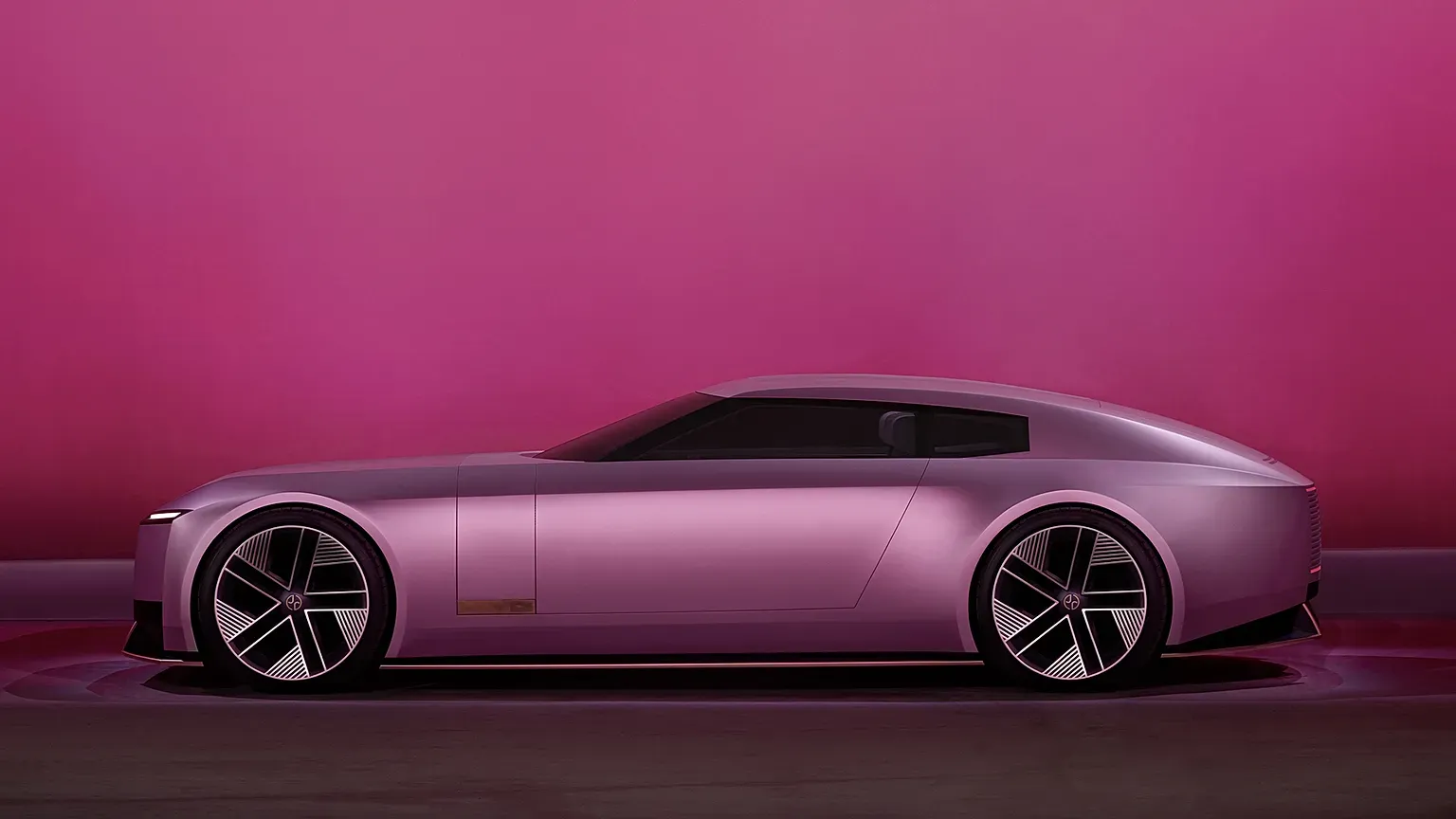
But the precedent cuts both ways. Not every reviled design is a misunderstood pioneer. The Pontiac Aztek was hated at launch and stayed hated. Jaguar's 2024 reinvention as an all-electric brand, the Copy-Nothing campaign that showed pink concepts and no actual car, drew ridicule that has not aged into respect. Sometimes the crowd is not resisting the future. Sometimes it is correctly naming a mistake.
So which is it?
The lazy ending is only time will tell. The sharper one is that we already know the test, and it is not really about the soul in the abstract.
Pull soul apart, and it turns out to be two different things wearing one word. One part is associative, the emotions a generation built up over decades of V12s, the catch in the throat that a silent motor cannot trigger. That part is real, but it is generational, and it fades: a buyer raised on instant electric torque may feel about a launch-control surge exactly what an older enthusiast feels about an engine note, and the Luce is openly aimed at that buyer. The other part is perceptual, the dense, involuntary feedback a combustion engine gives through sound and vibration, a stream that genuinely tells you what the car is doing. That part is harder to dismiss and harder to fake, which is why Ferrari is faking it. The backlash blurs the two and treats them all as sacred. The optimists blur them, too, and treat it all as nostalgia that will evaporate. Both are wrong in the same direction: some of what the Luce loses really does dissolve with a new generation, and some of it doesn't.
If the Luce is a Cayenne-Mach-E story, the new buyers fill the book, the noise fades, and in 5 years it looks prescient, the first credible answer to a question every luxury maker now faces as Lamborghini cancels its EV, Porsche retreats to hybrids, and the broader electric market stalls. If it is an Aztek-Jaguar story, existing clients stay cold, new buyers never materialize in the required numbers, and Ferrari will have spent a slice of the most valuable brand equity in the industry to learn that some promises can't be rewritten.
But the deciding battle is not Ferrari against its own past. It is Ferrari against every other six-figure EV chasing the same wealthy, screen-native, post-combustion buyer. The Luce doesn't have to out-emote a V12; that war is over, and electrification won it on the engineers' terms. It has to convince someone who could buy a Plaid or a Lucid that a prancing horse and a Jony Ive silhouette are worth several times the money. That has always been the real Ferrari trick: charging an enormous premium for meaning rather than metal. The combustion era simply made the meaning audible. The question the Luce actually asks is whether the meaning still holds once you turn the sound off, and that is something no rendering, and no thousand-horsepower spec sheet, can answer on its own.